The SusChem News Blog is now hosted on the SusChem website in the News Room. You will be redirected there in 10 seconds
.

Showing posts with label Budapest. Show all posts

Thursday, 6 June 2013

SusChem voted Key Innovator for Smart Cities

A set of chemistry-based proposals for increasing energy efficiency in buildings from the European Technology Platform (ETP) for Sustainable Chemistry (SusChem) has been voted as one of the top three key innovations needed to transform European cities at the Smart Cities Stakeholder Platform Annual Conference in Budapest.

On Wednesday 5 June, SusChem’s proposal on advanced materials for energy efficiency and buildings was voted as one of the top three Key Innovations critical to the sustainable development of European cities at the Smart Cities Stakeholder Platform annual conference. The SusChem proposal highlights five major chemistry-enabled solutions that have been tested and proven to significantly reduce energy consumption in buildings as well as contribute towards achieving the EU 20-20-20 targets.

The vote for the participants'  favourite Key Innovations closed the first day of the Smart Cities Stakeholder Platform Annual Conference. Following a full afternoon of parallel sessions where the conference delegates learned more about the 13 Key Innovation proposed by the Platform, the audience had the chance to vote its 'top three'.

Chemical winners
Key Chemistry-enabled Solutions for Smart Cities:

  • High Reflectance Indoor Coatings
  • High Reflectance and Durable Outdoor Coatings
  • High Performance Insulation Foams 
  • High Performance Vacuum Insulation Panels
  • Phase Change Materials (PCM) 

The chemistry industry’s Key Innovations were presented by Rinske van Heiningen of Akzo Nobel in his presentation on Advanced Materials for Energy Services.

According Jacques Komornicki, SusChem coordinator and Innovation Manager at Cefic: "Using these tested energy efficiency solutions can reduce energy use in buildings by up to 70%."

“These innovations are particularly suited to the renovation market and this market in turn has the potential to create growth and jobs in Smart Cities that adopt them whilst also contributing significantly to their emissions reduction goals - a double win!” he continues.

You can learn more about these Key Innovations for Smart Cities in the SusChem report: "Innovative chemistry for Energy efficiency of buildings in smart cities." For more information, please contact Jacques Kormornicki at Cefic directly.

Wednesday, 29 May 2013

Smart Chemistry at Smart Cities Stakeholder


SusChem will be at the Smart Cities Stakeholder event in Budapest on 5 and 6 June demonstrating how chemistry can provide Key Innovations for improving energy efficiency in the urban environment and addressing other Smart Cities issues. SusChem has just published a new report - ‘Innovative Chemistry for Energy Efficiency of Buildings in Smart Cities’ - outlining where Key Innovations in chemistry can make an immediate impact to improve energy efficiency during the refurbishment of buildings.

SusChem coordinator and Innovation Manager at Cefic Jacques Komornicki will be attending the Smart Cities Stakeholder Platform Annual Conference in the Hungarian capital with a clear message on how chemistry can provide a range of sustainable solutions for Smart Cities.

“The Chemical Industry is a leading provider of innovative solutions for energy efficiency and construction in Europe,” says Jacques. “And these Key Innovations are available right now providing substantial savings for building owners and users.”

Efficient innovation
The Key Innovations described in the new SusChem report are:
  • High Performance Insulation Foams and Vacuum Insulation Panels that can reduce energy heating costs from 30% up to 80%.
  • Phase Change Materials (PCM) that enable walls and ceilings to absorb and store excess heat during the day and dissipate it at night, enabling further savings of energy on heating and cooling.
  • High Reflectance and Durable Outdoor Coatings that if applied to roofs and walls reflect radiation from sunlight and reduce roof and wall temperatures, leading to energy savings on cooling.
  • High Reflectance Indoor Coatings that reflect light better than normal paints and maximize the feeling of space and illumination.
“Overall using these tested energy efficiency solutions can reduce primary energy use in buildings by up to 70%,” claims Jacques.  Today 40% of primary energy n Europe is used for heating and cooling buildings.

These innovative solutions from chemistry combined with an annual urban building refurbishment rate of around 3% could result in direct savings for building owners and users, make a significant contribution to achieving EU energy targets, and generate jobs.

Tool-box, ballot box
“Clearly the chemical industry has a tool-box of solutions that can contribute to drastically decreasing the energy consumption of buildings,” continues Jacques. “These innovations are particularly suited to the renovation market and this market in turn has the potential to create growth and jobs in Smart Cities that adopt them whilst also contributing significantly to their emissions reduction goals - a double win!”

The conference is the first in a series of Annual Conferences of the Smart Cities Stakeholder Platform and follows a ‘bottom-up’ process conceived to allow matchmaking and active exchange between industry and city partners as well as other stakeholders on the best Key Innovations, which have emerged from the Platform’s stakeholders.

Key Innovations are right at the core of debate as these are what interest the cities as well as the solution providers. The first day is fully devoted to discuss all Key Innovations following which delegates will vote for a ‘Top Three’ to be presented at the plenary session on day two. Day two will also provide stakeholder perspectives on the achievements of the Smart Cities Stakeholder Platform.

The chemistry industry’s Key Innovations will be presented at the stakeholder event by Rinske van Heiningen of Akzo Nobel in his presentation on Advanced Materials for Energy Services on day one.

We are confident that the Chemistry Key Innovations will contribute to reach the Smart Cities targets,” concludes Jacques.

What are ‘Smart Cities’?
 
Smart cities go beyond the EU’s “20-20-20” objectives (20% reduction in CO2 emissions, a 20% share of energy from low carbon sources and a 20% reduction in the use of primary energy through energy efficiency measures) for the deployment of cost-effective low carbon technologies with a particular focus on energy, ICT and transport sectors.

Many cities across Europe are already committed to building tomorrow’s cities today - in particular those involved with the Covenant of Mayors organisation to which Cefic and SusChem are affiliated . This group of city authorities is developing a sustainable development framework that will allow them to voluntarily go beyond the 2020 targets.

The chemistry industry is represented on the European Commission’s High Level Group for Smart Cities and Communities (HLG) by GiorgioSquinzi, CEO of Maipei and recent past president of Cefic. The HLG acts as an advisory body for the Commission on the Smart Cities Stakeholder Platform and the European Innovation Partnership. The Commission has recently launched its own website for the EIP on Smart Cities and Communities.

For more information on SusChem activities in support of the Smart Cities and Communities initiative, or to discuss potential collaborations in this area, please contact SusChem Coordinator Jacques Komornicki at Cefic.

Monday, 30 May 2011

Pictures from Budapest

The EuroNanoForum 2011 event is in full swing. The weather in Budapest is glorious but with four parallel conference sessions plus other workshops and events delegates have not had any much time to appreciate the weather.


The event is taking place at the Budapest Congress and World Trade Centre.


In parallel with the conference there is an extensive exhibition area.


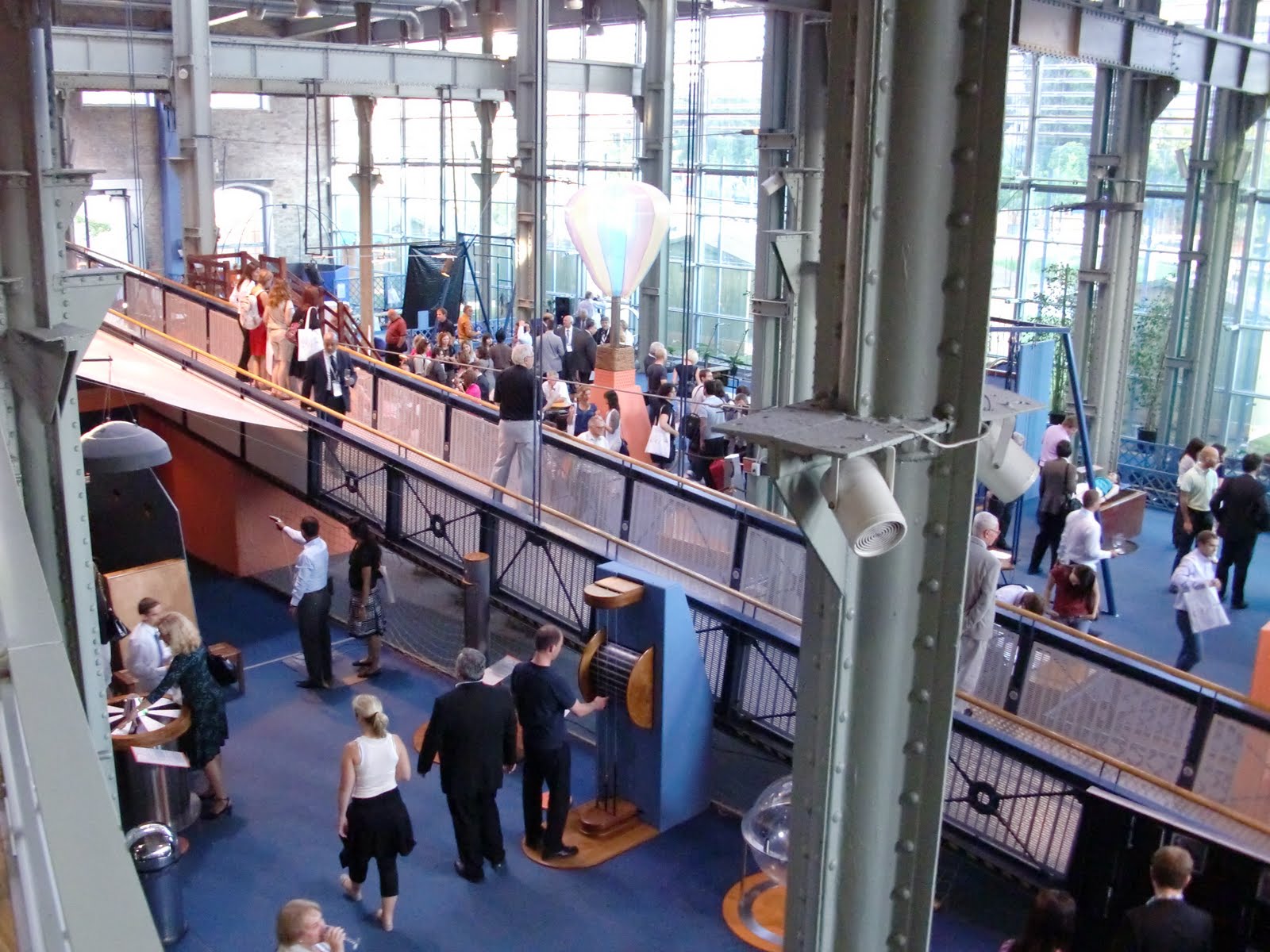
After a hard day at the conference on Monday delegates were able to relax at the Budapest Palace of Miracles - a major new science centre in the centre of town - in the evening.

Sunday, 29 May 2011

SusChem at EuroNanoForum 2011

SusChem will be reporting from the EuroNanoForum 2011 taking place in Budapest 30-31 May and also take a look at the NanoFutures session on Wednesday morning (June 1).

Over 1000 participants are expected at this biannual event. The 2011 event promises to be the biggest so far and the European nanotechnology event this year. It will reveal how nanotechnology can contribute to addressing the grand societal challenges of our time. The event covers research breakthroughs, industrial innovations and societal aspects of nanotechnology.

In addition to plenary sessions, four parallel conference sessions will cover the impact of nanotechnology on energy, health, electronics, the evironment and biotechnology amongst very many more sessions in an extensive programme. A large exhibition is also part of ENF2011.

The NanoFutures initiative brings together an number of technology platforms (including SusChem) to assess how nanotechnologies can support sustainable development.

You can follow SusChem reports from ENF2011 via the SusChem twitter stream http://twitter.com/suschem and we will also post blogs from Budapest.