The SusChem News Blog is now hosted on the SusChem website in the News Room. You will be redirected there in 10 seconds
.

Showing posts with label national technology platform. Show all posts

Tuesday, 3 April 2018

SusChem-Spain Stakeholder Event celebrates Sustainable Circular Economy

The SusChem-Spain Stakeholders Event took place on 14 March in Madrid and concluded that the chemical sector is key to the sustainable and circular productive model that both Europe and Spain are seeking.

The event was attended by a wide range of experts, coming from both public and private entities, such as the Ministry of Economy, Industry and Competitiveness, the Centre for Industrial Technology Development (CDTI), the Spanish Chemical Industry Association (FEIQUE), the Spanish National Research Council (CSIC), SusChem-Europe, Gómez-Acebo & Pombo Lawyers and Linknovate.

During the official opening, SusChem-Spain’s chair, Javier Brañas, highlighted the importance of public-private collaboration in Sustainable Chemistry, as the way to multiply the existing opportunities that innovation in science and technology offer to move towards a circular economy model.


In this context, the Chemical Industry plays, and will play, a key role as an example of productive and economic development. FEIQUE’s General Director, Juan Antonio Labat, highlighted the effort the Chemical Industry is making in order to position themselves as the 1st industrial R&D&I investor in Spain (25%), bearing in mind that 57% of the Chemical companies are innovative, twice the industrial average, and the sector’s clear support for talent and quality employment, since 23% of researchers working in industry are employed by a chemical company.

Director General of R&D&I of the Spanish Ministry of Economy, Industry and Competitiveness, Clara Eugenia García, emphasised the job of the Chemical sector as a strategic one, that contributes in a direct way to sustainable development and competitiveness, since its activity has a clear impact in other sectors, making it a key player when developing the next EU Framework Programme (FP9), under discussion already in Europe, as the roadmap to reach a sustainable future. She also wanted to highlight that the future will inevitably need to move towards circular economy, “Or the future is circular or there will be no future”, as she expressed it.

During the presentation of the recently approved National Scientific & Technical Research and Innovation Plan (2017-2020), García stressed the need for public – private collaboration and the enhancement role that relies on the Administration since “industrial policy goes hand on hand with research policy and vice-versa”. This was the reason why both parameters need to be considered globally as well as promoting the elimination of the sectorial barriers. Following this statement, CDTI representatives, Francisco Marín, Director General, and Cecilia Hernández, Manager of Health, Bioeconomy, Climate and Natural Resources, announced some of the new funding instruments of CDTI within the new Plan

Pictured below are (from left to right): Javier Brañas (SusChem España), Clara Eugenia García (MINECO), Francisco Marín (CDTI) and Juan Antonio Labat (Feique).


The new Framework Programme: FP9
Following the publication of the Horizon 2020 Work programme 2018-2020, work is already being done to prepare for the next European Framework Programme, also known as FP9, that will cover the period 2021-2027. This was one of the key topics of the Stakeholders’ event, in which priority areas for the Spanish Chemical sector were debated with participants.

Juan Antonio Tébar, Head of European Programmes Division (Horizon 2020) from CDTI, made a call for collaboration between public and private entities working in the field of sustainable chemistry, so that all interests can be collected, either through CDTI or through SusChem-Spain.

In a more sectorial approach, José Manuel García, Chemistry and Chemical Technologies Coordinator from CSIC, underlined the relevance of both national and international basic Research in the different areas of chemistry as a sample of talent to generate economic and social impact.


Anne Chloé Devic (pictured above on the left), Materials and National Technology Platforms Manager from CEFIC/SusChem Europe, encouraged all participants to send success stories showing the impact of European funding, to acknowledge the results of European funded projects carried out in the country and to contribute to the future “missions” of FP9.

About SusChem-Spain 
Spanish Technology Platform of Sustainable Chemistry, SusChem-Spain, is an Industry led public-private initiative, with the participation of all agents, that promote Research, development and innovation in Chemistry and Industrial Biotechnology. It promotes collaborative activities, knowledge and information Exchange and Technology transfer to provide solutions to future challenges.

Tuesday, 7 November 2017

Introducing new SusChem Chair: Dr. Markus Steilemann

The European Technology Platform for Sustainable Chemistry (SusChem) Board has announced that Dr. Markus Steilemann is its new Chair, succeeding Dr. Klaus Sommer who served six years in this position.


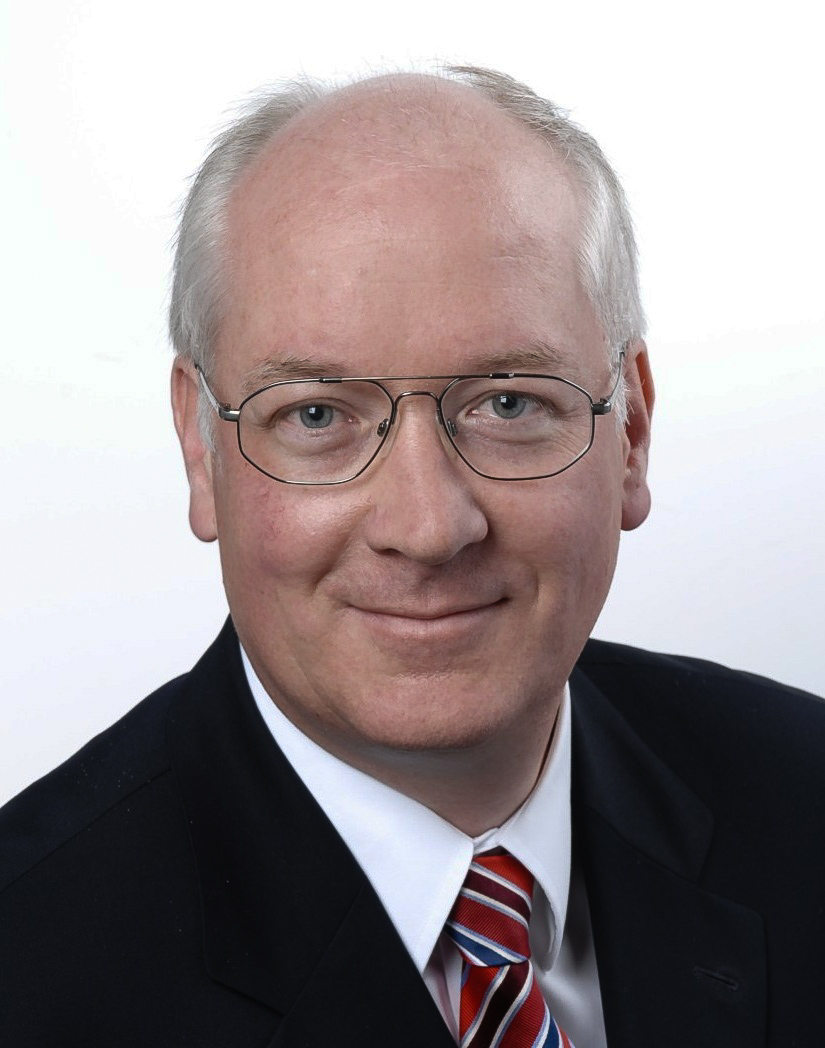
Dr. Steilemann (above), who will lead the Board in managing SusChem’s strategy and activities, brings valuable expertise in innovation and management. He is the Chief Commercial Officer of material producer Covestro and - since 2015 - a member of the Covestro Board of Management. His responsibilities encompass all commercial functions, including innovation and the company’s three segments: Polyurethanes, Polycarbonates and Coatings, Adhesives and Specialties.

Dr. Steilemann holds a PhD in Chemistry and started his career at the Bayer Group, where he moved to various management positions at the former Bayer MaterialScience, which has become Covestro in 2015.

SusChem beyond 2020
“I am honoured to take the leadership of SusChem at a time when new strategies in the European research and innovation policy, missions and funding beyond 2020 are being designed,” Dr. Steilemann said, adding that SusChem is already working together with the European Commission on the preparation of the next EU Framework Programme after Horizon 2020.

“The role of the chemical industry should feature prominently in it as the crucial link between scientific breakthroughs and societal challenges for delivering impact. The disruptive technologies needed to transform our economy and society towards a more sustainable future will be enabled through chemistry,” Dr. Steilemann underlined.

A driving force for KETs
SusChem is a driving force behind the EU strategy for Key Enabling Technologies. Under Dr. Sommer’s leadership its strategy was refocused and its role for accelerating innovation reinforced. 

SusChem now includes 14 national technology platforms, connecting national and regional sustainable chemistry initiatives and developing synergies with EU policy and funding schemes. 

Dr. Sommer (pictured right) played a decisive role in the discussions, initiated by SusChem, which lead to the establishment of the SPIRE Public-Private Partnership in the process industries and of which he was also Chair of the Board of Management.

Wednesday, 30 August 2017

SusChem Switzerland welcomes VIO Chemicals

SusChem Switzerland, SusChem’s Swiss National Technology Platform (NTP), has recently welcomed a new member: VIO Chemicals. As a member of the NTP, VIO Chemicals joins major players in the Swiss Chemical and Life Sciences sector, including INEOS, Lonza, CimArk, ETH Zurich and the Swiss Chemical Society (SCS).

In joining SusChem Switzerland, VIO Chemicals aspires to promote the national chemical industry’s priorities in the European policy agenda, become an integrated member of a European collaborative network of knowledge and competence, and contribute to a dynamic innovation and industrial eco-system as part of the Europe 2020 strategy for an inclusive European economy.

Welcoming VIO Chemicals, Eric Plan, Secretary-General of SusChem Switzerland said:
“SusChem Switzerland is aimed at companies involved in life sciences, particularly chemistry, who want to improve their industrial processes and/or develop their collaboration with other players. With VIO Chemicals, we are happy to welcome a new SME in the SusChem family. The active participation of VIO Chemicals will reinforce our activities and missions in 'Shaping Sustainable Solutions Together'”
VIO Chemicals shares SusChem Switzerland’s vision for a robust and sustainable Swiss chemical industry. According to a recent analysis chemical, pharmaceutical and biotech sectors account for 41% of total national exports. The Swiss growth strategy is largely driven by an emphasis on constant innovation and internationalism. By joining SusChem Switzerland, VIO Chemicals declares its openness to share its expertise and form synergies with national and European stakeholders to promote the use of sustainable chemistry, and joins the debate about the role of the chemical industry as a solutions provider to global societal challenges.

For more information on SusChem Switzerland, please visit the SusChem Switzerland website.

Friday, 24 January 2014

National Technology Platforms, Horizon 2020 contacts

SusChem National Technology Platforms (NTPs) help to connect SusChem thinking with national and regional programmes, to facilitate trans-national collaboration and to advise SusChem on national priorities and programmes. SusChem NTPs are key to the involvement of national stakeholders including small and medium-sized enterprises (SMEs), large companies and academic groups, in our European initiatives.

The SusChem network, formed by the European and the National Platforms, aims to capitalize on the synergies of its members to reach the critical mass to achieve its goals at European and National level, while avoiding duplication of efforts.

Currently, SusChem NTPs have been created in 12 countries and the NTP page on the main SusChem website has now been updated to include links to all national websites (where they are established) and the latest email details for principal contacts for each of our national platforms.

Common objectives
The common objectives and mutual benefits of SusChem ETP and SusChem NTPs include:

  • Working under the common label of "sustainable chemistry”
  • Bringing together industry, academia, civil society and national governments to address European societal challenges and improve industry competitiveness
  • Contributing to a EU-wide common strategy to support the position of the Chemical sector with the European Commission ("bottom-up” approach)
  • Aligning priorities of ETP and NTPs in order to gain broader support (a complementary "top-down” activity)
  • Promoting SusChem vision and main priorities at both EU and National level (complementary perspective)
  • Facilitating trans-national collaboration within research and innovation projects and the international transmission of skills
  • Facilitating networking, cluster creation, project teams, etc. to enhance participation in EU funding programmes, especially for SMEs

Horizon 2020 - national contacts, reorganisation
Liaising with national contact points for Horizon 2020 is also an important role for NTPs and the Commission has published a calendar of national launch events for Horizon 2020 that also includes a list of the national websites for national contacts. This website will be updated throughout the duration of Horizon 2020 the Commission promise.

As the Horizon 2020 research programme gets underway, the European Commission is starting to reorganise DG Research and Innovation to boost its efficiency in managing grants and to make more time for policy planning.


In a recent interview for Science|Business Robert-Jan Smits, Director-General for Research and Innovation (above), said he is introducing radical simplification, moving to a trust-based approach in the management of projects, avoiding micro-management by the Commission, and separating the machinery of grant management from the policy making activities.

Of the eleven directorates within DG Research, three are being reinforced: Directorate A - for Policy Development and Coordination; Directorate B - for Innovation Union and the European Research Area; and Directorate C for International Cooperation. In addition, the policy units in the Directorates dealing with the Grand Societal Challenges are to be strengthened since they define the multi-annual work programmes and content of the calls.

“The idea is that we are going to focus much more on policy issues like the Innovation Union, with its initiatives to create a unitary patent, speed up standardisation and develop innovative public procurement; and on the completion of the European Research Area, which includes measures to abolish barriers to the mobility of researchers, a full roll out of open access to publications and open recruitment in universities,” Smits said in the interview.

D-G Research currently has around 1800 staff. This core staff will shrink substantially (by one third by 2020) with those staff remaining focusing on policy issues rather than grant administration. Four new executive agencies will focus on administering the programmes and are:


As the agencies will also be handling programmes from other parts of the Commission, a Common Support Centre (CSC) has also been set up to ensure a coherent interpretation of rules and procedures across Horizon 2020. The CSC will be located within DG Research and Innovation.

Thursday, 14 November 2013

EcoMondo 2013 hosts European Platforms for Innovation and Sustainability

Last week (6 to 9 November), SusChem and SPIRE were presented as part of the new European initiatives to enable and facilitate sustainable growth at EcoMondo 2013. This is one of the largest events in Southern Europe for the exploitation and recycling of materials and for the development of the Green Economy in Europe.

EcoMondo is one of the largest trade fairs in the sector and the event took place in Rimini, Italy. It is one of the most accredited platforms in southern Europe and the Mediterranean basin with regard to innovation in sustainable development, with an equal focus on new technologies and best practice and on the uptake of new markets. The event’s ambition is to facilitate the key elements of a sustainable economy in Europe including  industrial research, more cooperation between the public and private sectors, funding, new quality standards and not only more, but also better, outreach to the European public.

The event traditionally prioritizes those areas where significant progress can be achieved at a pan-European level. This year’s conference focused, among others, on key areas of innovation for SusChem such as treatment of waste water, bio-based industries and smart cities. Nonetheless, EcoMondo 2013 also invited panellists and speakers to discuss a broader array of topics including waste management, clean-up of contaminated soil and air pollution.

SusChem: An EU and National approach 
SusChem’s brokerage activities and projects have already been gathering stakeholders and interested parties to deliver real innovation in areas of interest at EcoMondo. Antonia Morales Perez (right), CEFIC Innovation Manager and a member of the SusChem secretariat, introduced the EcoMondo audience to the many tools and opportunities available through SusChem.

Antonia’s presentation highlighted the importance of the SusChem network that was able to reach into many Member States. SusChem’s National Technology Platforms (NTPs), already present in 11 European countries and with Switzerland soon joining, offer a unique structure to support SusChem’s work for Europe 2020 with a joint European vision firmly rooted in national strategies through localized networks of industry and academia. Practically that translates into supporting the engagement of SusChem’s national members in transnational collaborations in EU collaborative projects and programmes like FP7 and the forthcoming Horizon 2020 calls.

During the meeting Antonia was interviewed in Spanish about SusChem activities. Her interview can be viewed below.


The key role of NTPs in the implementation of the SusChem strategy and action plans was highlighted, particularly in reference to developing Strategic Research and Innovation Agendas, including identification of skill requirements and regulatory barriers and encouraging industry participation in Horizon 2020 through active cooperation with partnerships in Member States.

Inspiration for SPIRE
EcoMondo was also the venue where the audience were able to appreciate the innovative approach of the SPIRE Public-Private Partnership. Loredana Ghinea (right), SPIRE’s Executive Director, explained how the value-chain of the process industry has come together to initiate a collaboration with the European Commission for a new systematic approach throughout the complete production cycle to ensure radical resource and energy efficiency.

Loredana explained how realizing the SPIRE vision means reducing the use of feedstock and emissions, re-use of energy and resources between different parties in the value chain, replacing current feedstock with renewable sources –including sources such as CO2. This can pave the way to re-inventing the whole interaction among all the technologies used in the value-chain of the process industry.

Find out more about SPIRE here.

Wednesday, 10 October 2012

Sustainable Chemistry Future in an Uncertain Europe

SusChem board member and former Chairman Prof Rodney Townsend has written a feature article on SusChem, research, innovation and the future of Europe for the Finnish chemistry magazine Kemia.

Prof Townsend was invited to write the article following lectures at Helsinki University and at the Helsinki Chemicals Forum earlier in the year.

The article entitled ‘Building a Sustainable Chemistry Future in an Uncertain Europe’ was published in Kemia (the Finnish Chemical Magazine) and can be accessed here. The article covers the increasing importance of sustainable chemistry and the way new chemical technologies can make a tangible difference to all our futures. According to Kemia’s editor the article has attracted a lot of reader response and interest already.

Readers of the article are strongly encouraged to learn more about SusChem and to actively join in with SusChem’s activities. Prof Townsend hopes that the article will prompt interest in Finland forming its own National Technology Platform – a development that SusChem would welcome.

Kemi is a professional magazine dedicated to chemistry and first published in 1974. It is the membership magazine of the Association of Finnish Chemical Societies and the Biobio Society with a total readership of over 10 000.

Sunday, 23 September 2012

Swiss SusChem seeks Stakeholders

During the SusChem Brokerage event on 18 September a proposal for a SusChem Switzerland National Technology Platform (NTP) was launched. The important role for National Technology Platforms was highlighted by Ger Spork from the SusChem secretariat in his introduction, in light of the new Framework programme Horizon 2020, where alignment of National and EU priority areas will be of increasing importance.

Greet van Eetvelde of Ineos spoke about the idea with support from Paul Dyson and Francois Marechal of the Ecole Federale Polytechnique de Lausanne (EPFL) and called for participation from interested parties.

A particular focus of the Swiss NTP will be on three 'C's': chemistry, carbon and clean. Safe sustainable methods of energy production and use are research priorities together with chemical methods for CO2 abatement and use as feedstock.

The initial supporters of the concept had been looking for a platform model that involved both industry and academia with synergy at the EU level - and they found SusChem had similar context and priorities and offered established links into pan-European networks and programmes. A ready-made solution!

To find out more about the nascent Swiss NTP contact via SusChem secretariat.